
How Event Stage Setups Are Planned in Dubai
A planning guide to event stage setups in Dubai — stage size, LED pixel pitch, sound, lighting, power and the mistakes that cost time on build day.
Posted by
English
Posted date
May 14, 2026
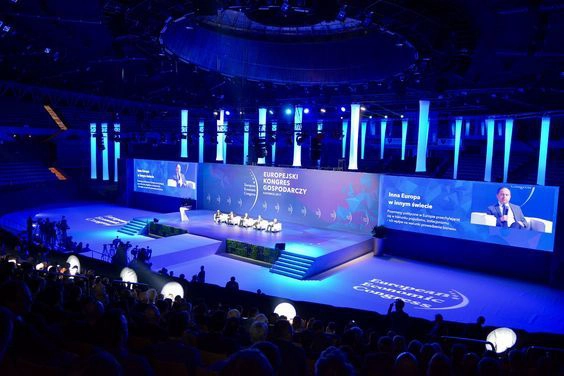
A planning guide to event stage setups in Dubai — stage size, LED pixel pitch, sound, lighting, power and the mistakes that cost time on build day.
Most event stage setups are decided in the wrong order. The stage gets booked first, the screen second, and the sound and lighting are squeezed into whatever budget and floor space are left. By the time anyone checks the ceiling height or the power supply, the layout is already fixed.
Planning it the other way round — audience, format, venue, then equipment — is cheaper and far less stressful on build day. This guide walks through how those decisions are usually made for corporate events, conferences, exhibitions and launches in Dubai, and where the expensive mistakes tend to hide.
A stage setup is rarely just a platform. In practice it is five systems that have to agree with each other:
Each one constrains the others. A taller stage needs lighting aimed differently. A wider screen eats the space speakers wanted. Deciding them in isolation is where most rework comes from.
Stage size follows from what actually happens on it, not from the size of the room. Start with the busiest moment in the run of show: a single speaker with a lectern needs very little, a five-person panel with seating needs considerably more, and an awards ceremony with a line of recipients and a photographer needs more again.
Height is the decision people get wrong more often than width. A higher stage improves sightlines for a seated audience at the back, but it also eats ceiling clearance, changes lighting angles, and can put a standing speaker uncomfortably close to a low ceiling or a chandelier. Venues in Dubai vary enormously here — a ballroom and a warehouse space impose completely different limits.
Practical questions worth settling early: how many people are on stage at the peak, is there a seated or standing audience, does anyone need to walk up from floor level, and is the stage being filmed.
LED screens are specified by pixel pitch — the distance in millimetres between one LED and the next. A smaller number means a finer, sharper image, and a higher cost.
The useful rule of thumb is viewing distance. A common guide is that the closest comfortable viewing distance in metres is roughly the pixel pitch in millimetres. A 3mm screen looks clean from about three metres back; stand closer and the individual pixels start to separate. That single relationship decides most specifications.
In practical terms, the three tiers behave like this:
Naqsh Media holds all three pitches, which is why the recommendation usually comes after a question about the seating plan rather than before it. Screen size then follows the room: content has to be readable from the back row, and a screen that is technically large but badly positioned behind a speaker's head helps nobody.
Audio is planned around the room's shape and its surfaces, not its square metres. A room with glass walls and a hard floor behaves very differently from one with carpet and drapes at exactly the same size.
The main decisions are coverage and content. Coverage means every seat hears the same thing — which usually means more, smaller speaker positions rather than fewer, louder ones. Content means what the system has to reproduce: speech only is a modest requirement, while music, video playback or a live act needs subwoofers and considerably more headroom.
Microphones deserve their own conversation. A panel needs a different setup from a keynote, and audience Q&A needs a plan of its own — roving handhelds, fixed floor positions, or neither.
Lighting does two separate jobs, and confusing them is a common planning error. The first is functional: making faces readable, on stage and on camera. The second is atmospheric: colour, branding and the sense that a room has been designed.
Conferences lean heavily on the first — warm, even key light on speakers so the video coverage is usable. Launches, activations and gala dinners lean on the second, using colour washes and beam effects to change how a space feels across the evening. Most corporate events need both, and the mix is what drives the fixture count.
Haze is the piece people forget. Without it, lighting lands on surfaces but the beams themselves are invisible and the room reads flat, both live and on camera. More detail is in our guide to event lighting solutions in Dubai.
Outdoors changes almost every assumption. Ambient light competes with screens and lighting, so daytime outdoor events need brighter displays and a realistic acceptance that subtle lighting will not read until dusk. Sound behaves differently too — there are no walls to reflect off, so coverage needs more thought and carries less far than people expect.
Then there is the environment itself. Wind loading affects anything tall, heat affects equipment and crew, and dust and humidity in the UAE are real planning factors rather than footnotes. Outdoor setups also need their own power plan, which indoor venues usually solve for you.
Three venue facts change an equipment list more than any creative decision: ceiling height, load-in access, and available power.
Ceiling height caps stage height, screen height and lighting positions at once. Load-in access — door widths, lift sizes, how far the truck can get, and which hours the venue permits — decides whether a setup is even physically deliverable in the time available. Power decides what can run simultaneously.
Dubai venues also differ widely on rules: some require specific insurance or contractor registration, some restrict noise levels or working hours, and exhibition halls have their own regulations on rigging and stand builds. Getting the venue's technical pack early is worth more than any amount of later negotiation.
Plenty of smaller events are genuinely fine with equipment delivered and set up. A production team earns its place when the moving parts start interacting: multiple speakers, live content changes, filming, a tight load-in, or an unfamiliar venue.
The practical advantage is that one team specifying, delivering and operating the equipment removes the gap where problems usually live — between suppliers who each did their own part correctly. That is the same logic behind combining equipment with event management and, where the event is being filmed, with camera and production equipment from the same crew.
Naqsh Media owns the core equipment these setups are built from — modular staging, LED screens in P1, P2 and P3, RCF sound systems, event lighting, a haze machine and event activation equipment — and sources the rest through its production network.
For the full range of event equipment categories, packages and rental options available from Naqsh Media, see our event equipment rental in Dubai service page.
Good stage setups are decided in a specific order: understand the audience and the format, get the venue's real constraints in writing, then specify equipment against both. Almost every expensive problem on build day traces back to one of those three being assumed rather than checked.